







How It Works
The Lillipad is engineered with a patented X-frame design, which gives it an unmatched range of height adjustment:
6" to 48"
A minimum height of 6 inches means you can store our desk practically anywhere. And a stored desk means more living space.
Square Footage Isn’t Cheap — Reclaim Your Space
Space, Health, & Productivity are Investments. Maximize the Return

Work Mode

Life Mode
Watch the video
Starting at $887
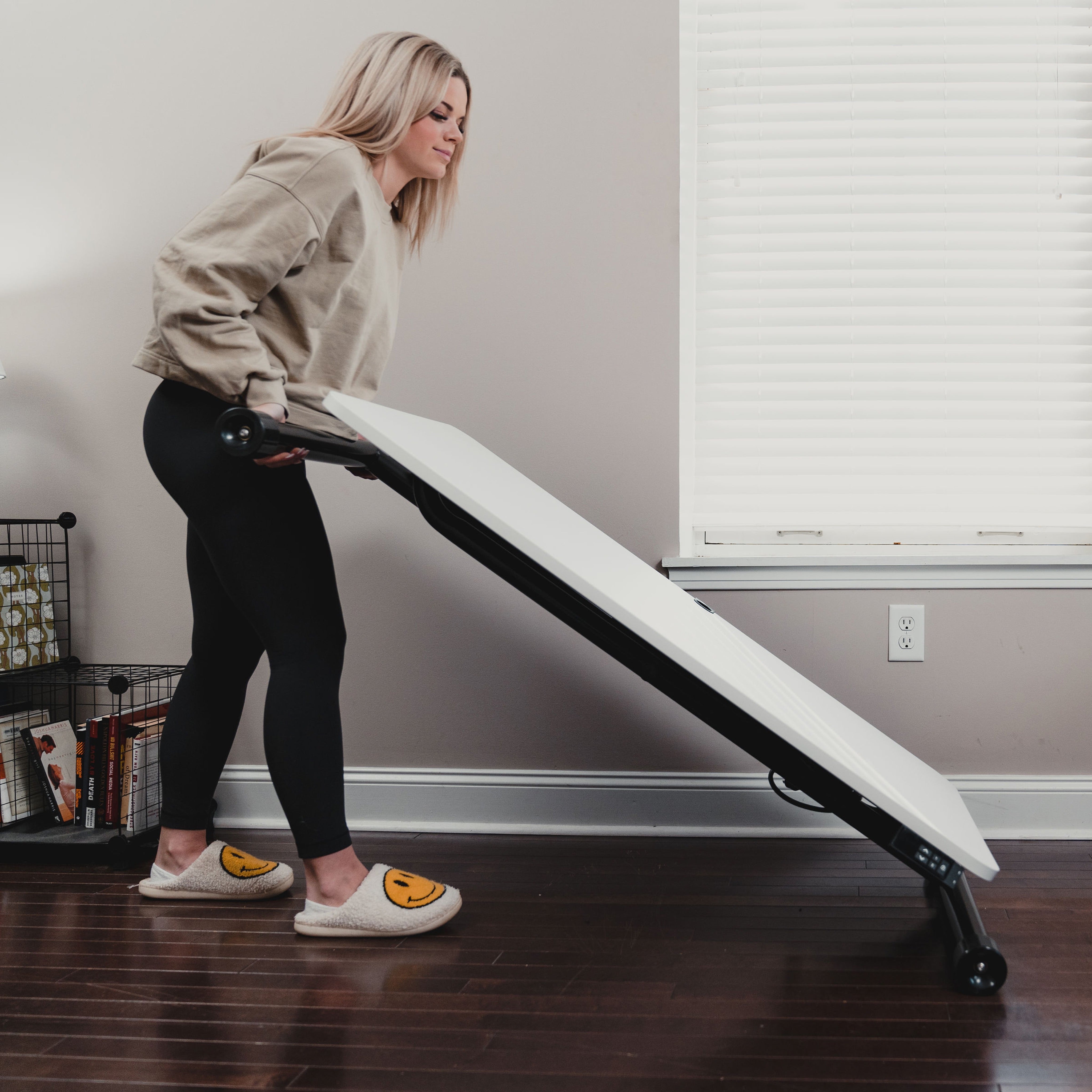
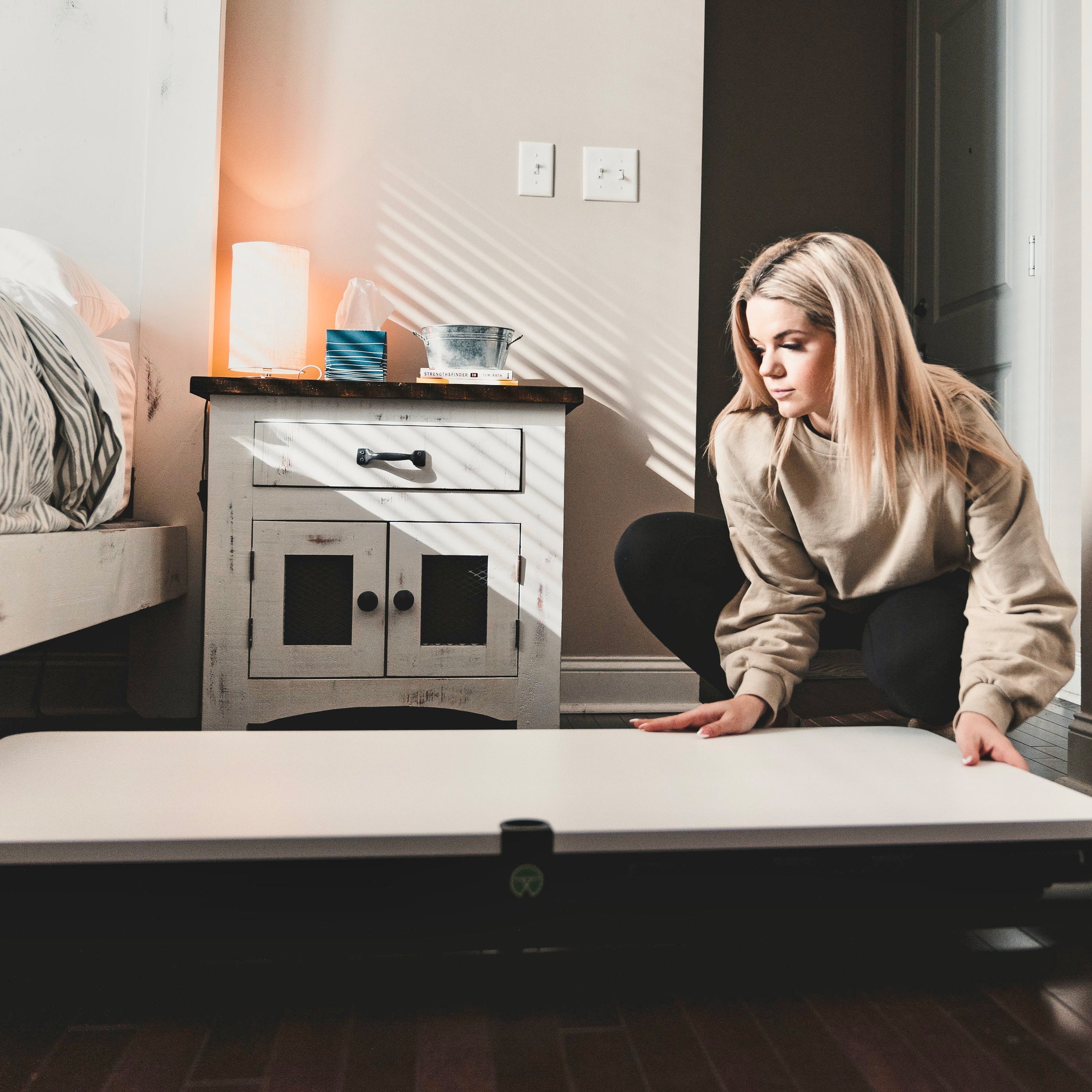
Trade your dedicated home office for a dynamic temporary workspace. When work is over, collapse the desk down to 6 inches and store it under furniture or in a closet.
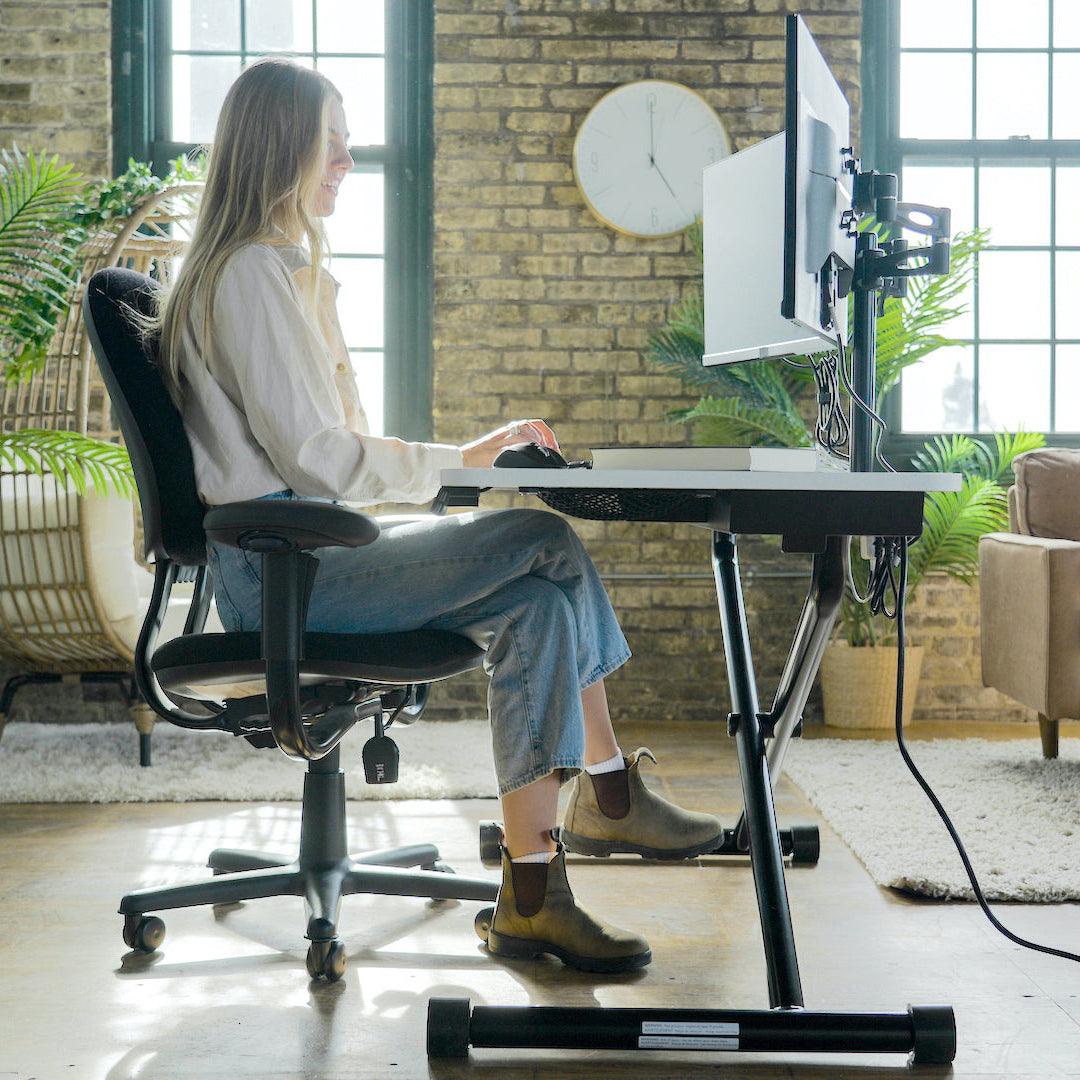
Zero assembly required. Key accessories integrated seamlessly into the design, including wheels, power strip, monitor mount, and cable management.
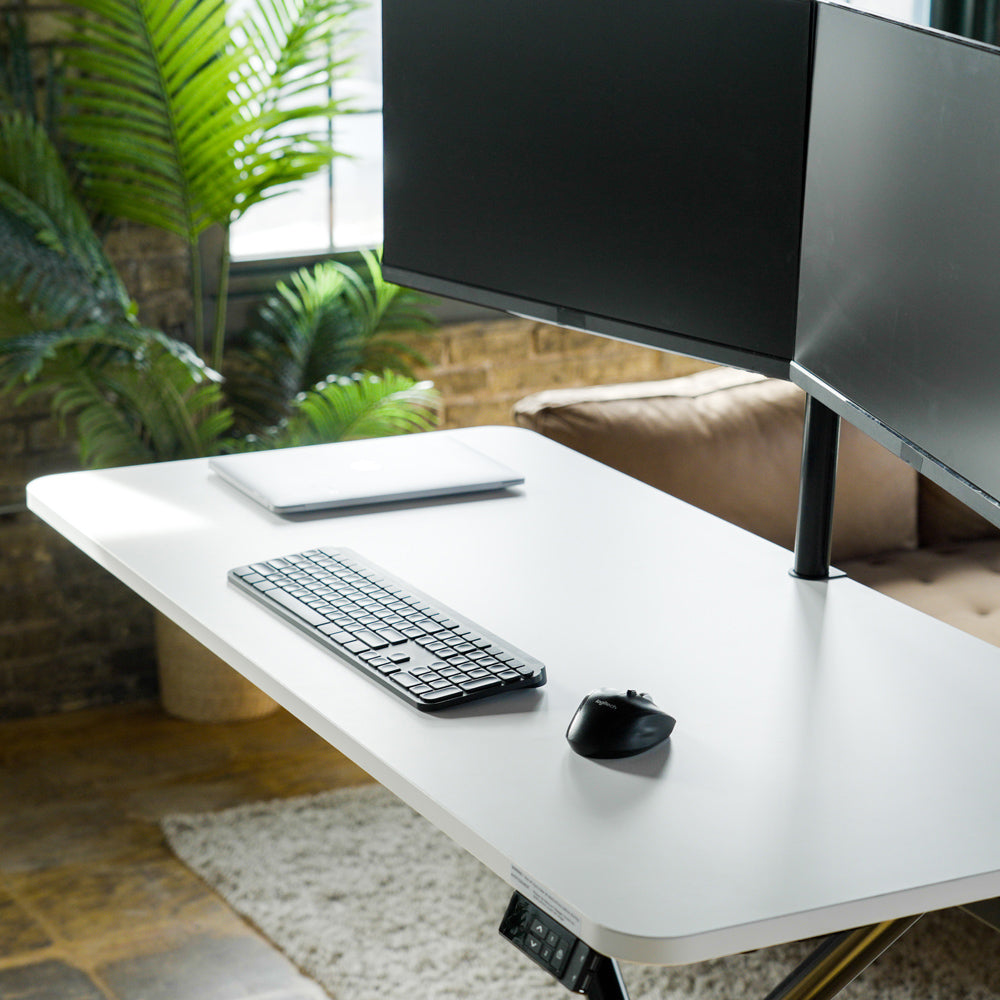
Made to spec with industrial-grade materials in Milwaukee, Wisconsin. It’s one of the few standing desks built in the states, and it’s designed to last a lifetime.

We guarantee you'll love the Lillipad. If you don't for any reason, you can return it within 60 days for a refund—the longest and most supportive return policy in the industry.
Trade your dedicated home office for a dynamic temporary workspace. When work is over, collapse the desk down to 6 inches and store it under furniture or in a closet.
Zero assembly required. Key accessories integrated seamlessly into the design, including wheels, power strip, monitor mount, and cable management.
Made to spec with industrial-grade materials in Milwaukee, Wisconsin. It’s one of the few standing desks built in the states, and it’s designed to last a lifetime.
We guarantee you'll love the Lillipad. If you don't for any reason, you can return it within 60 days for a refund—the longest and most supportive return policy in the industry.

Everything about the #1 Standing Desk
How We Compare to Other Standing Desks
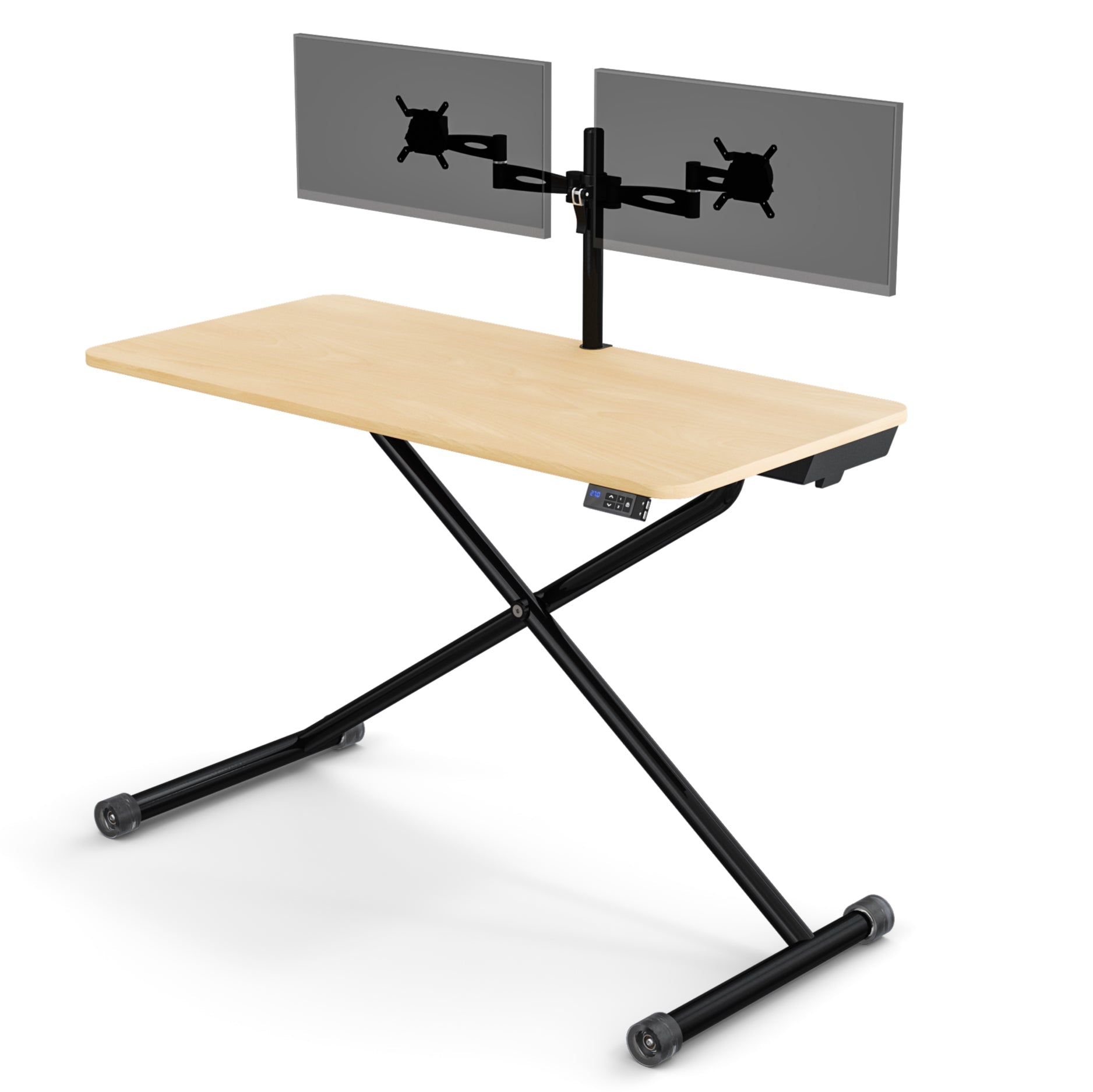
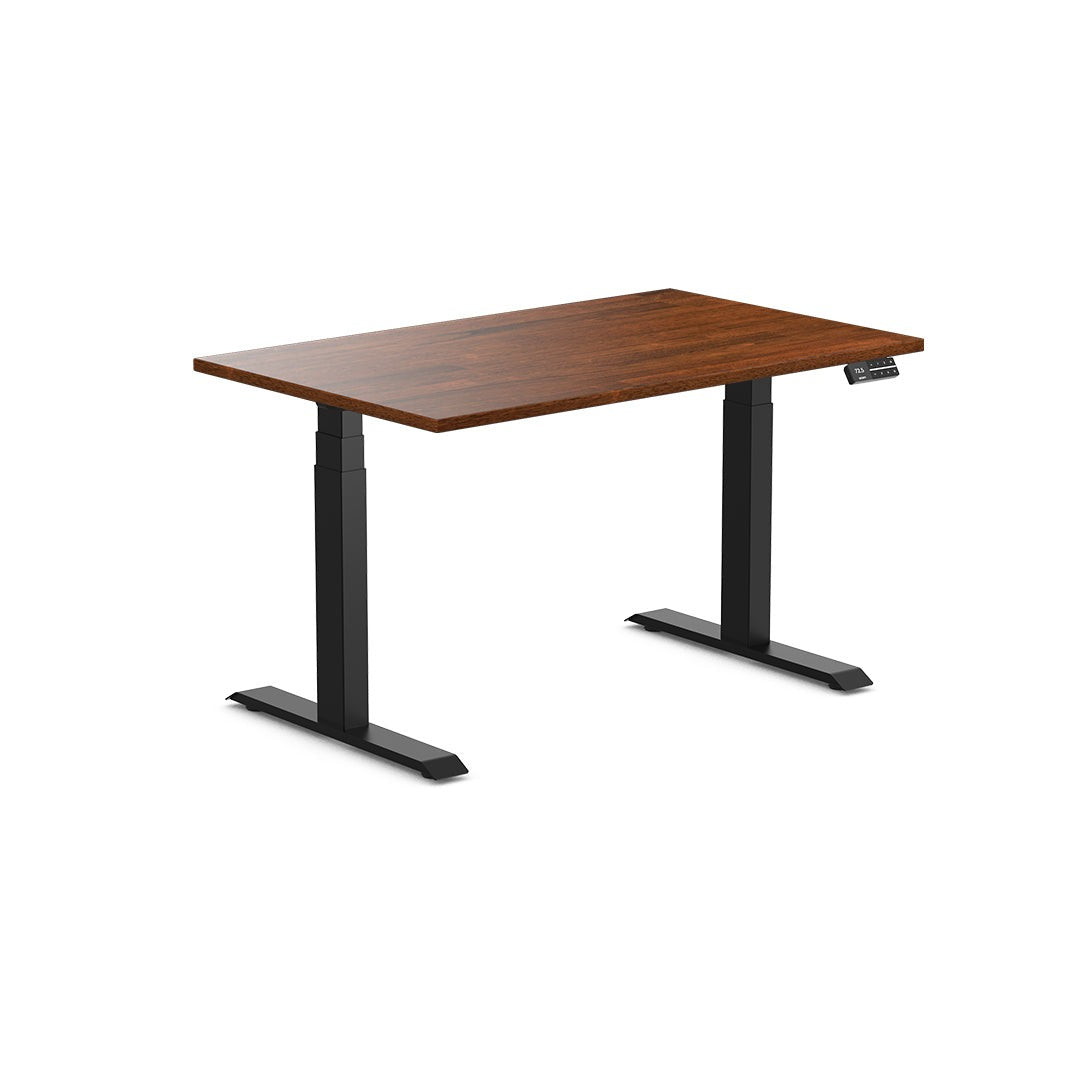
High-End Electric Standing Desk
✓
✓
✓
❌
✓
❌
✓
❌
✓
❌
✓
❌
Recent Reviews
See what remote workers are saying about the Lillipad
Let customers speak for us
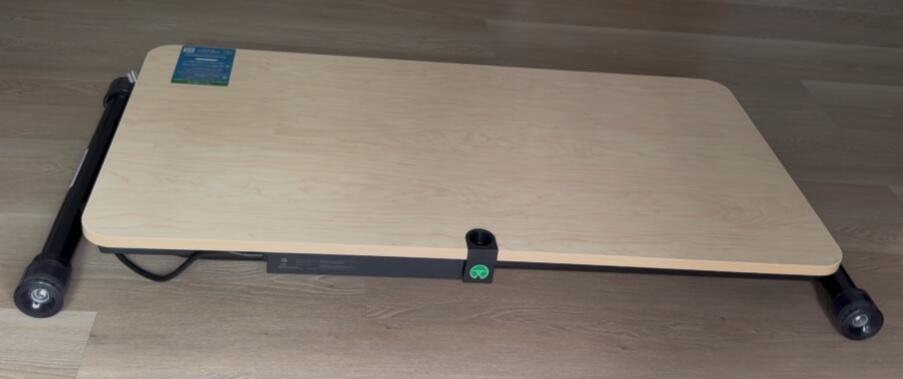
I feel as though we’re ahead of technology here. The design of this desk is such a space saver. I live in a studio and have a twin sized bed and this fits underneath perfectly! I still have room for my yoga mats and vibration plate. But I’m still testing it out, as I got the Lillipad PRO version (without the monitor) & plan to give a full review on it over on my YouTube channel. I use it at least 4x a week so I definitely have my notes ready. If you’re in the market, I do recommend thus far. Shipping was pretty fast too. If I had to share a con today it would be that it’s heavy to using the limited directional “wheels” gets tiring pretty quick. Especially for those of us putting it away daily. Other than that, I’m liking it. Full review coming soon.
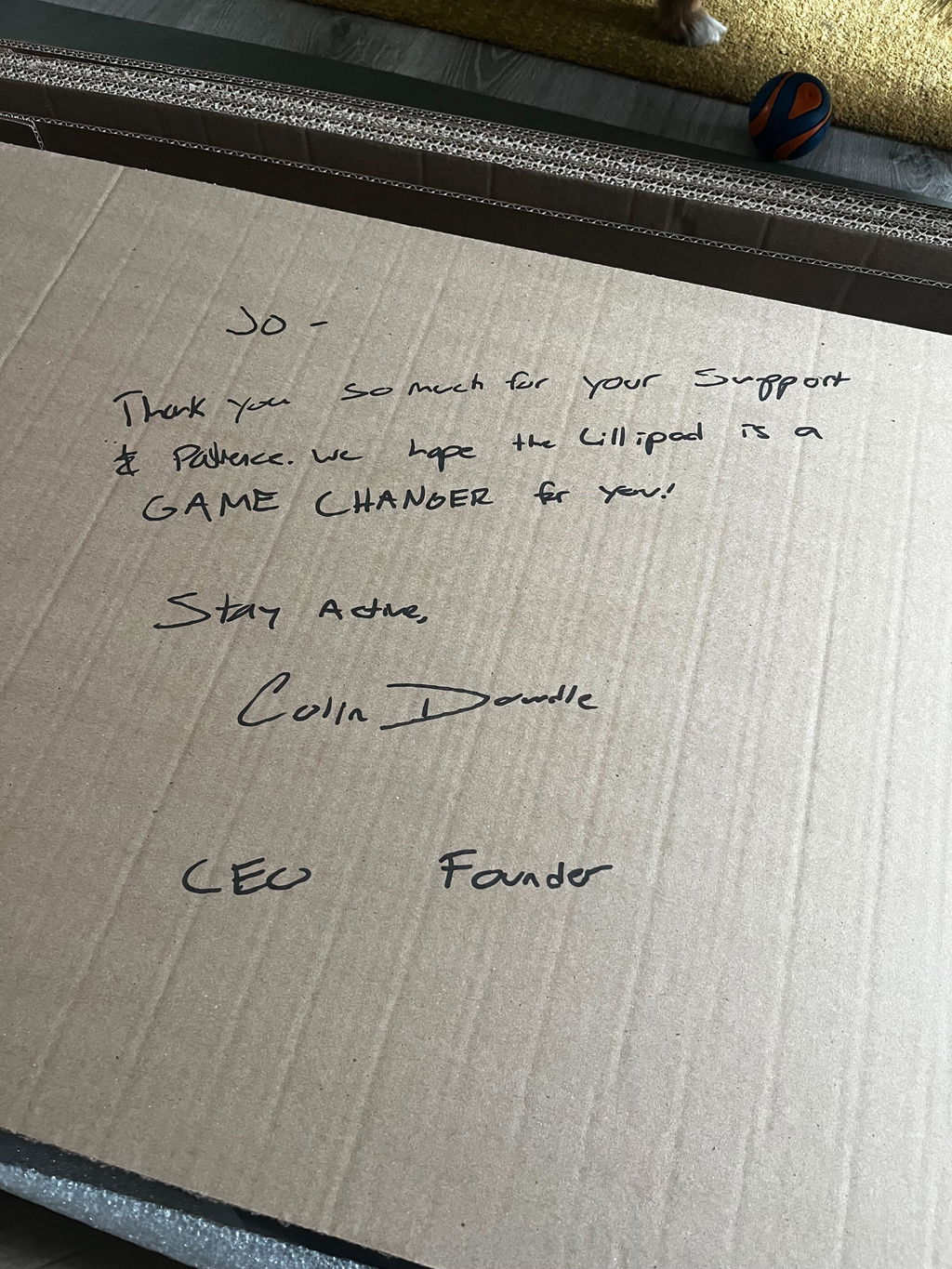
I bought this desk because I was looking for something high quality, American made, and functional: I want a standing desk but also love to work from the floor. Rather than sorting through all the garbage on Amazon, I decided to go to Lillipad and ordered directly: I'm so glad I did! Because of all of the supply chain issues, my desk was delivered about a month later than anticipated, but they stayed in direct communication the whole time and kept me in the loop about what was happening. When my desk did finally arrive, it came with a handwritten note from the CEO on the packaging thanking me for my patience. I plan to use this desk for decades to come, so didn't really mind the wait, but the amount of care that they gave in the interim was off the charts. Thank you thank you thank you! The desk itself is sleek and minimalist, easy to use, and exactly what I was looking for. I don't doubt that if any issues arise, they will be there to support right away.
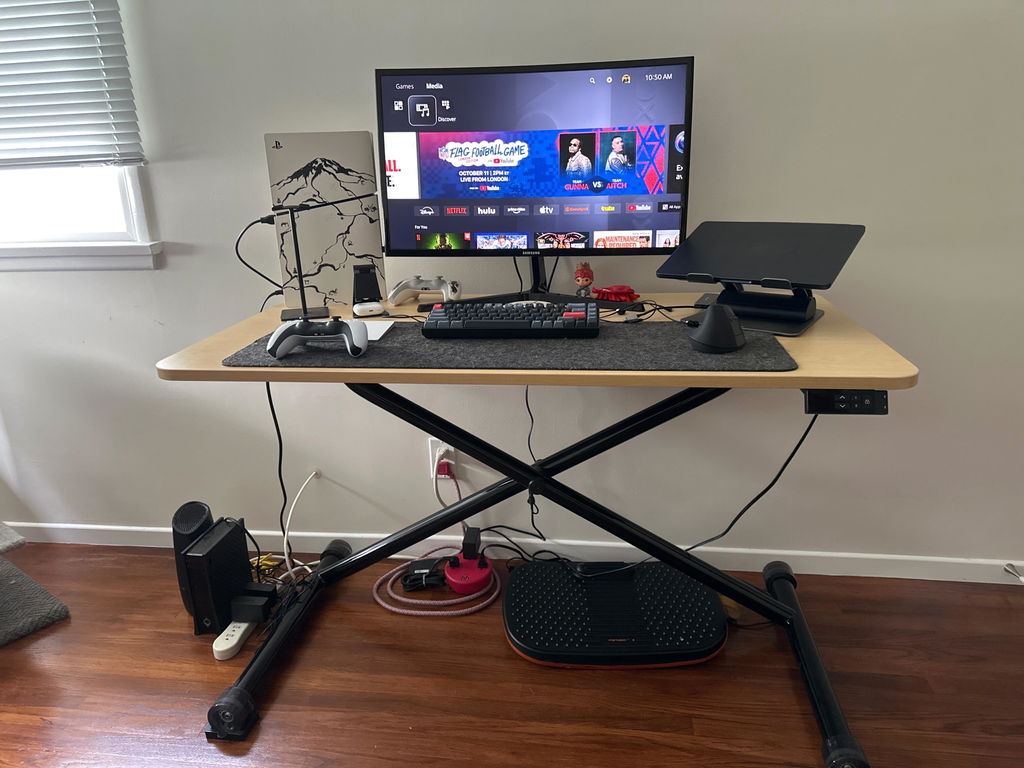
Purchased this desk so that I could sit on the floor. A lot of thought has gone into the design and I really appreciate how easy it is to roll around and it can fully collapse and be stowed if necessary. I use my lillipad as a desk on hardwood floors and as easily as it rolls the provided brake pad prevents the desk from moving.
Unfortunately the desk lift buttons safety guidelines have changed where even the programed positions must be held down rather then simply pushing it once and watching the desk move on it own. Perhaps another downside if you don’t do pro is that the compartment motor is bulky in the back of the desk so there is not much room to add an additional cord space if you don’t do pro which is already an additional feature and something you may want to keep in mind if you add wire compartments you already have that typically go in the back of the desk. I am 5’5” and with the desk fully standing I find it to be a little short to allow my elbows to be 90 degrees with my keyboard. I also used to have a standing board which unfortunately puts me even higher if I use it. I would suggest going with pro if you are taller which has a higher standing height than the basic.
Overall it is a well designed standing desk that is maneuverable, compact and stow-able and provides a sturdy office desk that allows me to have my monitor and laptop setup comfortably spaced out. I would definitely recommend to others to buy it.
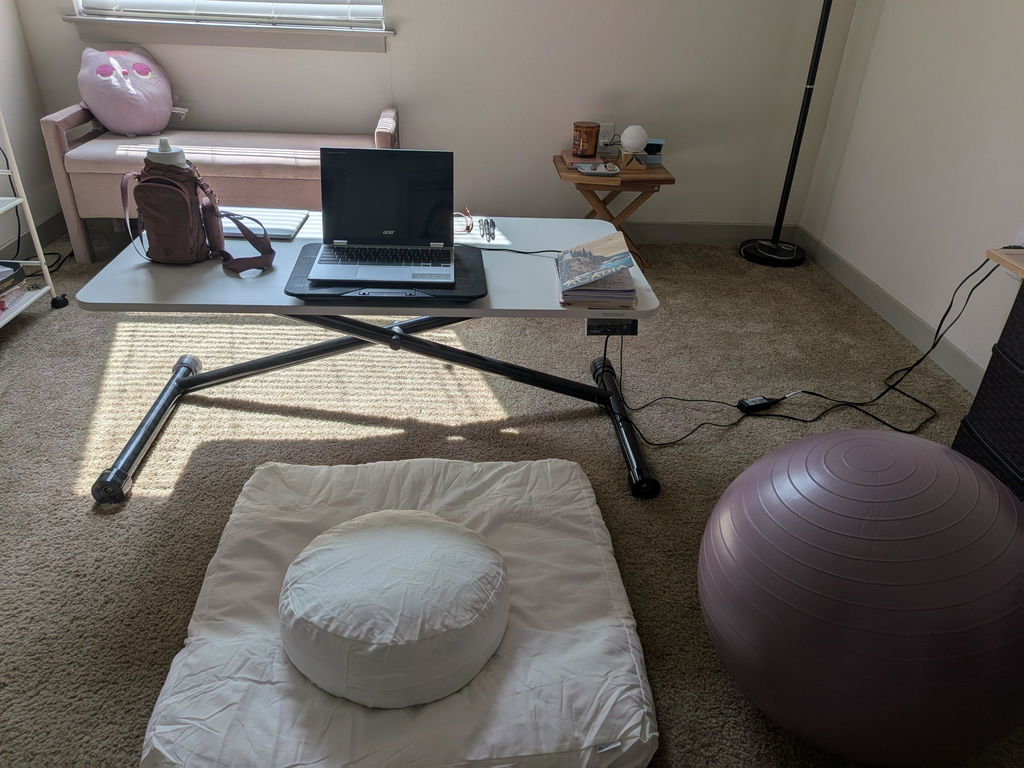
I hate chairs! My husband bought this table for me, and I absolutely love it. I enjoy sitting on the yoga ball and meditation cushion. As a standing desk, it also works for me for short tasks.
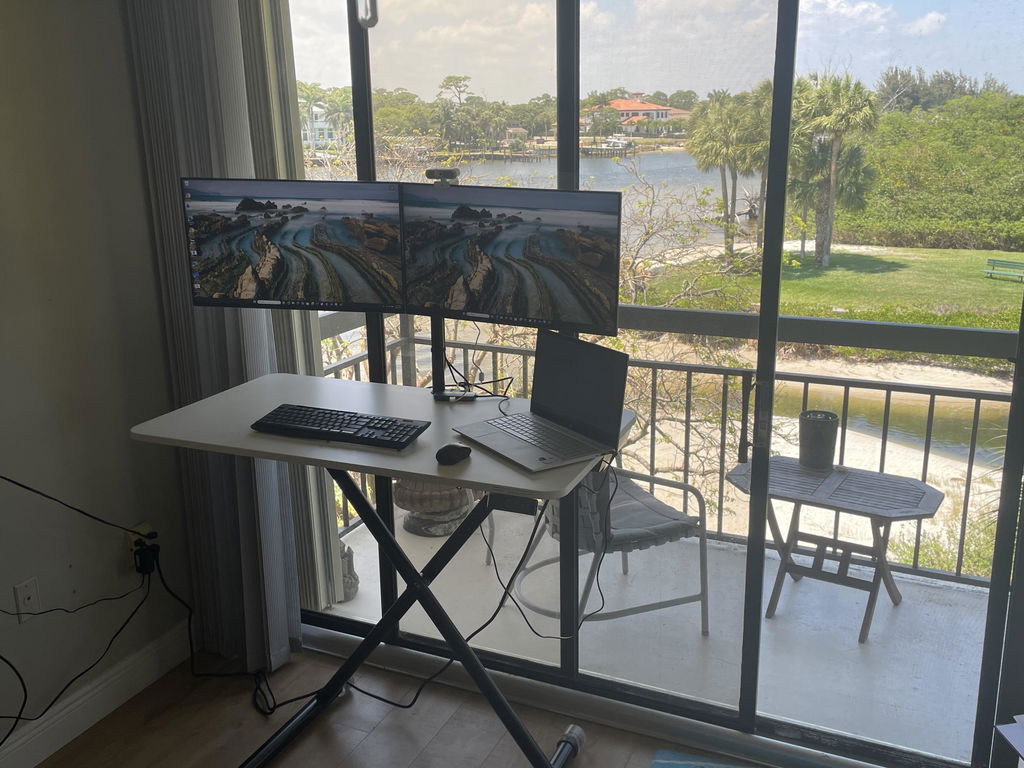
This desk is very well designed and is incredibly convenient. Being able to breakdown and store in minutes really helps if you do not have a ton of space. If you do, splurge on the bigger size because it is absolutely worth it.
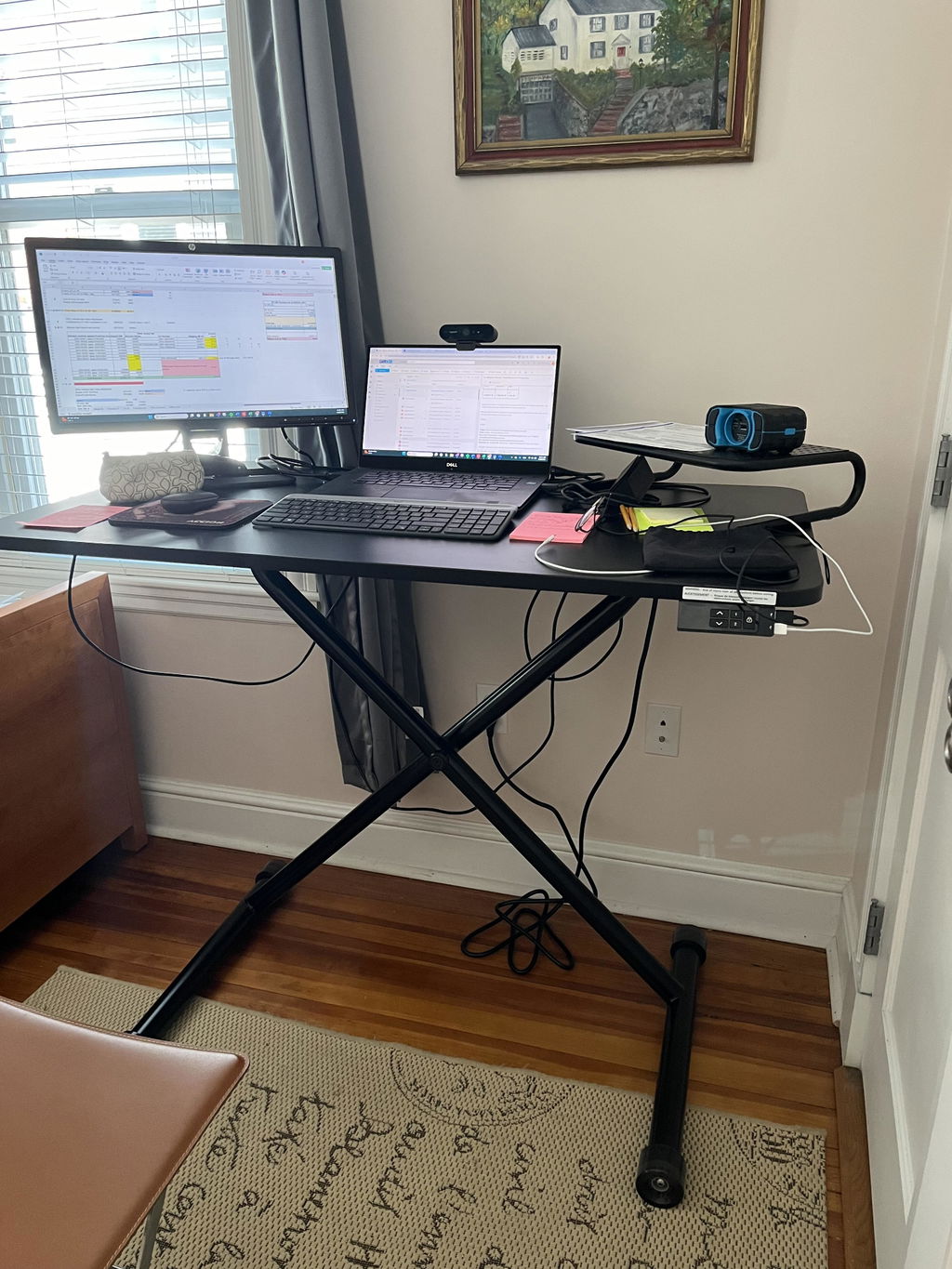
The desk was up in no time and it is everything I wanted. It is sturdy, it goes up and down easily. You can memorize 2 different heights. I was happily surprised by the convenient power strip and USB outlets. Working from home in a small space it was very important for me, to get the comfort of a standing desk but be able to make it disappear during the weekend! And it is made in the U.S. Thank you!
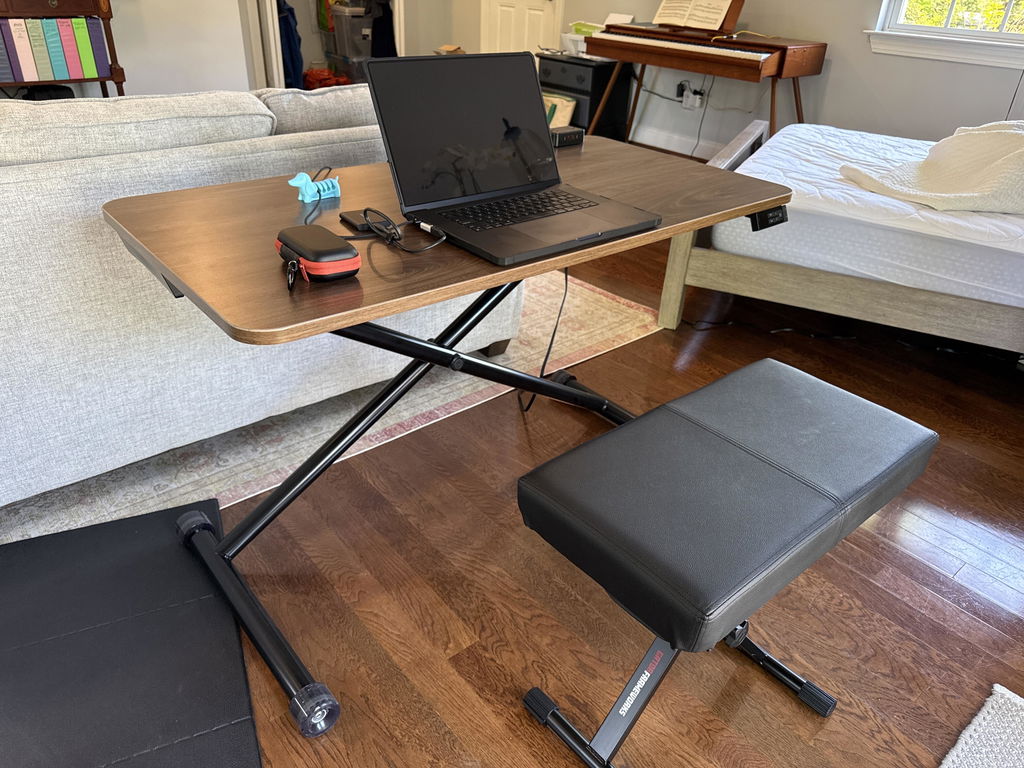
I received my Lily Pad desk a little over a week ago, and I must say I am thoroughly impressed. The desk is well-designed, sturdy, and finished with care. The X-frame design is clever, placing the "X" on the back third of the desk, which keeps it out of the way of my legs. The frame is light enough for me to transport it alone, yet heavy enough to ensure stability while I work.
I haven't installed accessory monitors yet, but the mounting setup appears to be well-designed and sturdy. The electric motor is functional and intuitive to use. While the cost of this desk is not low, I believe it is compatible with its quality and design features. I can see myself using it for the next 10 to 20 years, making it a worthwhile investment.
In summary, this is an excellent purchase that I highly recommend.
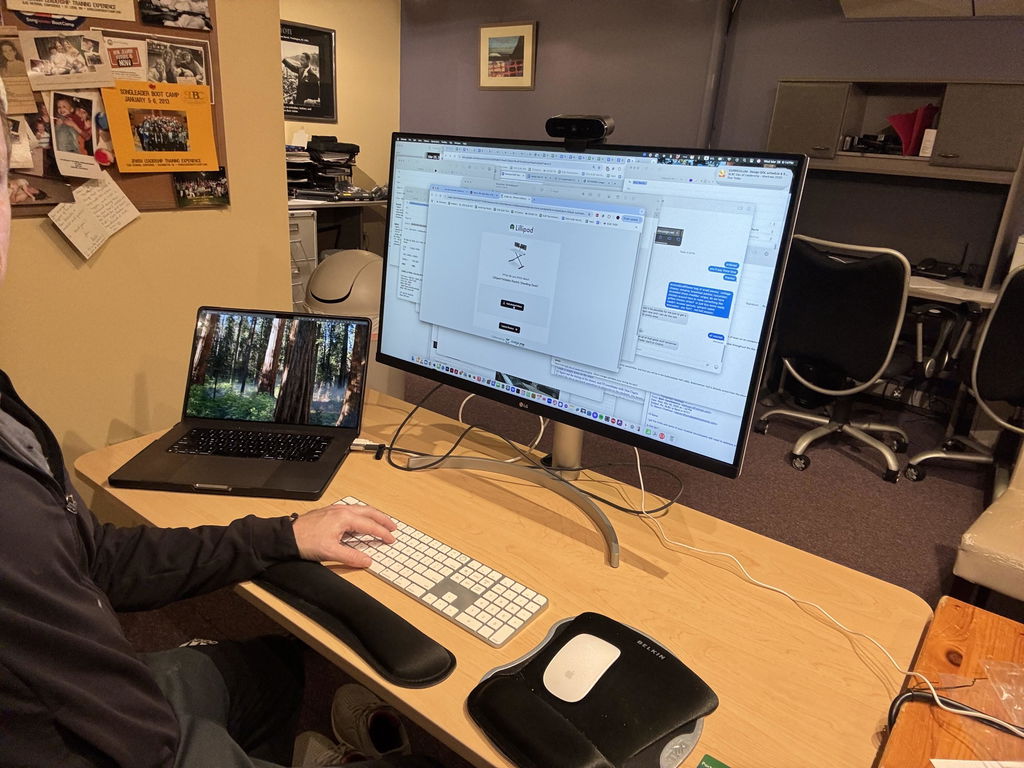
I live on the road in various locations for months at a time. The achilles heal of my road experience has been the lack of a professional work environment - and the Lillipad desk is my savior! It’s super easy to transport and set up. What a HUGE impact on my life!!
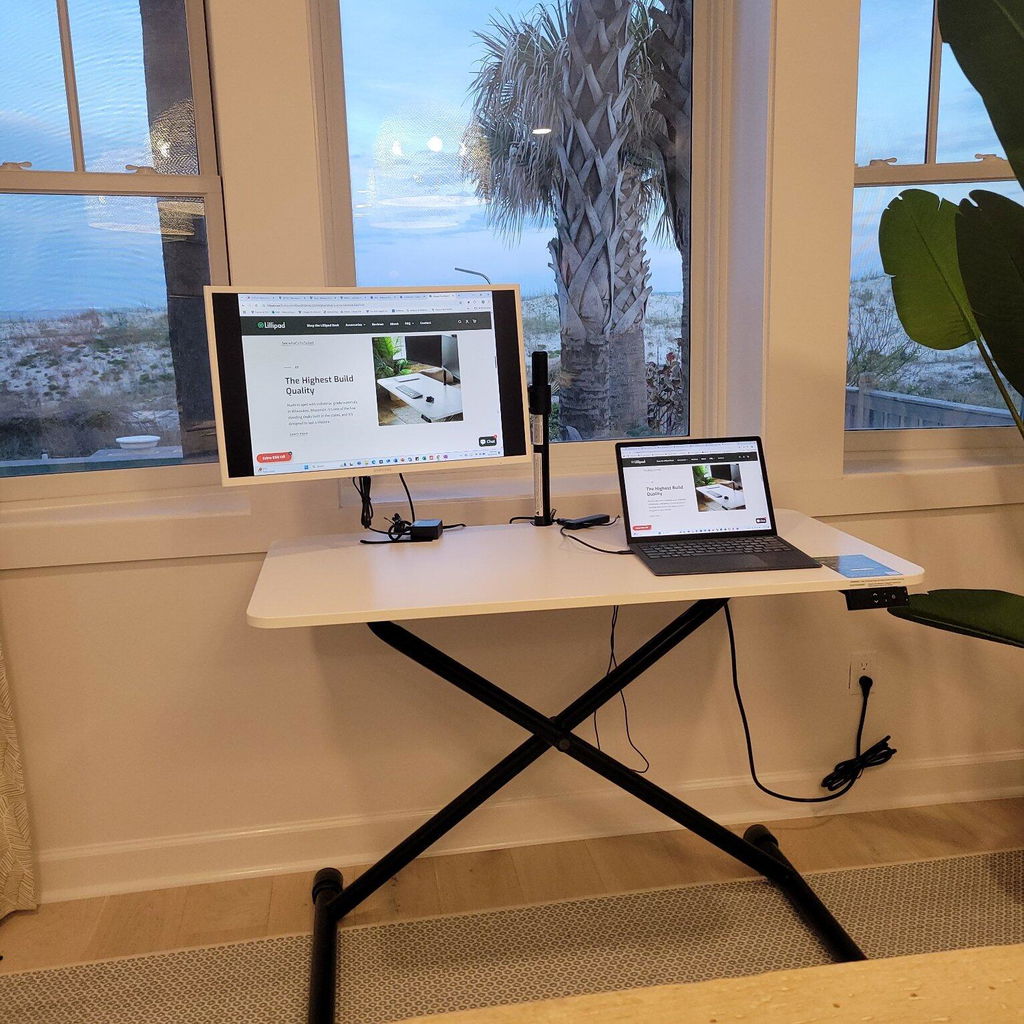
Perfect desk for our daughter to use while visiting us - she is working on her DNP program and sometimes likes to study with a view!
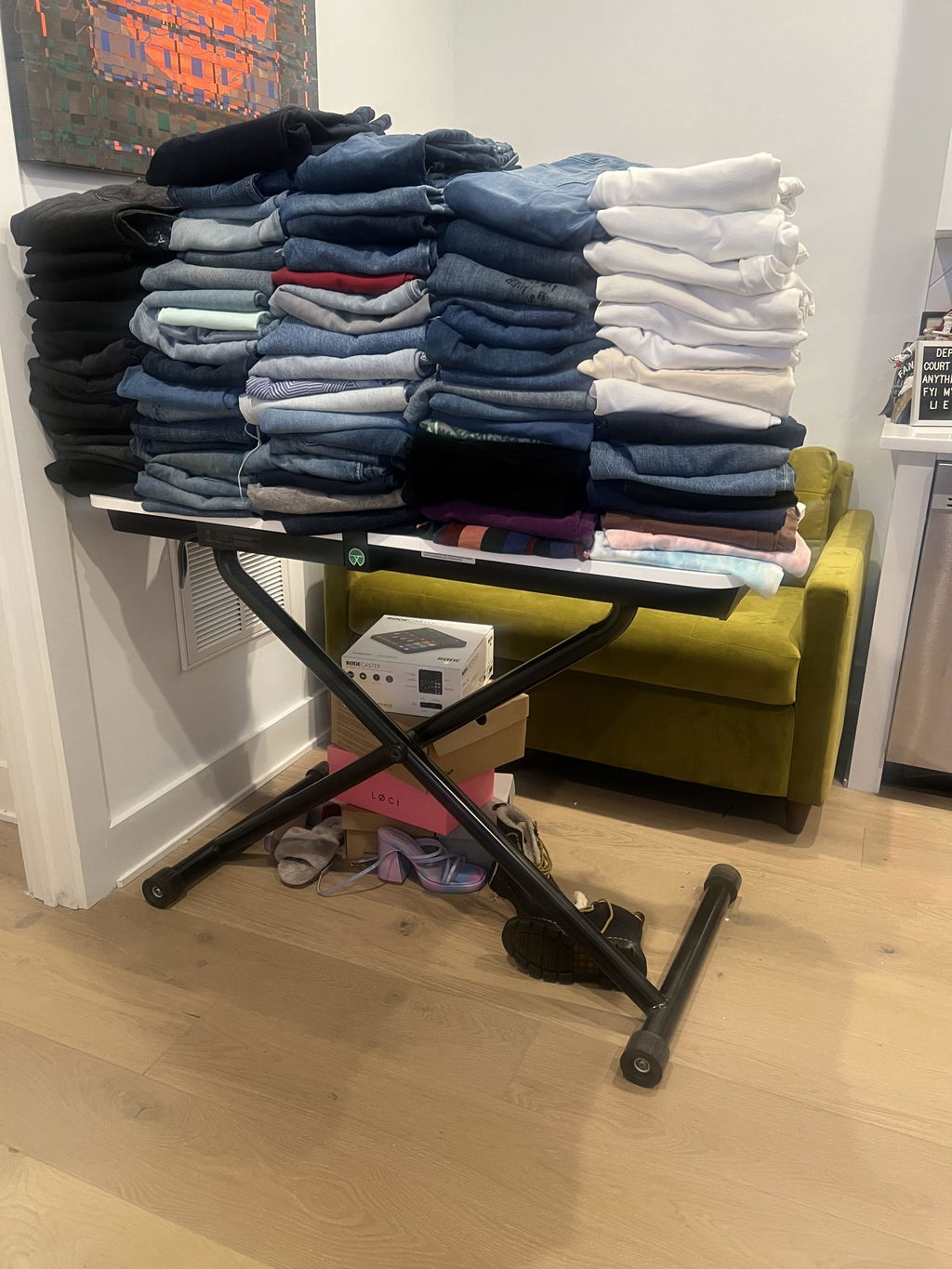
Fantastic addition to my home. Sturdy, well-made desk great finish, and smooth transitions. I spent over two years, looking for the perfect desk for my eat-in kitchen. The ability to move the desk up and down to counter height makes it easy for me to convert the desk into an eating space and workstation in less than a minute. I love it
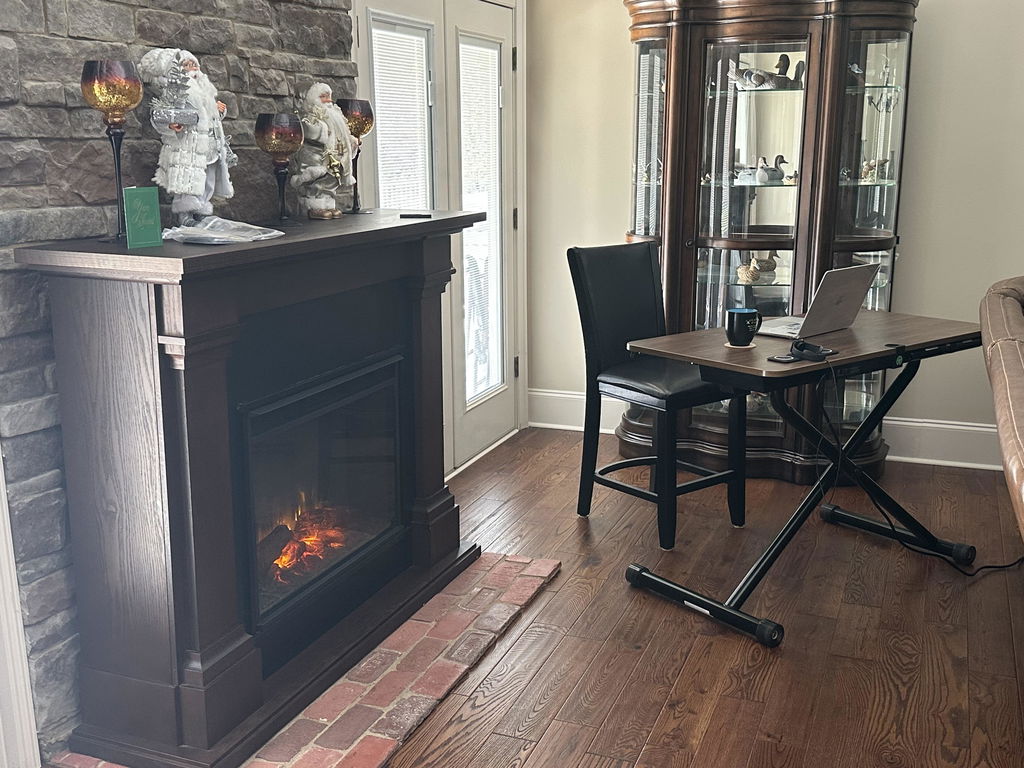
The desk is made with quality and gives you a versitile way to work.
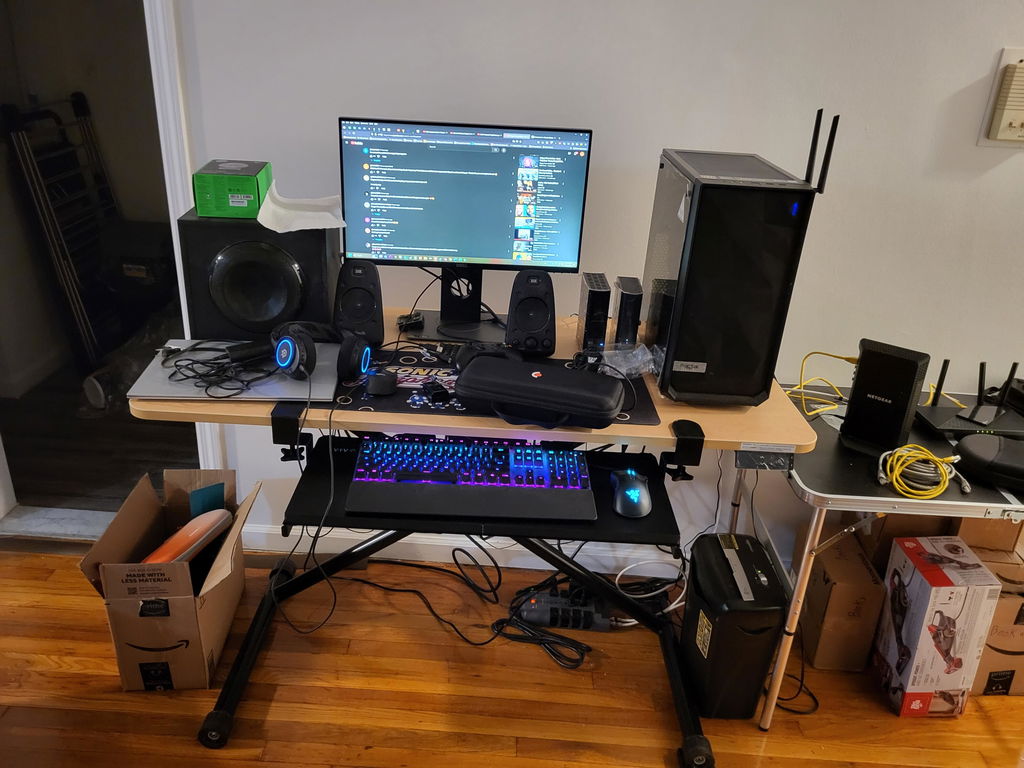
I've had the 52" desk for two weeks. It holds my mid-ATX PC Tower, monitor, speakers, external hard drives, and subwoofer without issue. I bought a the lillipad desk because I wanted something that is easy to set up in my studio apartment and easy to pack if I need to move. The desk will remain in the same spot until then. I hooked up a VIVO keyboard tray to free up desk space. My only complaint is that 3 outlet power suppy wasn't enough for my use case; however I acknowledge this is a use case that differs from what I've seen in the marketing and other reviews. If you're using the desk with a laptop and 1-2 monitors, 3 outlets will be enough. I already have a 12-outlet surge protector on hand, so I use that in conjunction with the desk (NOTE: The desk is plugged directly into the wall, not the surge protector). I didn't use the USB ports, so I can't say anything about them. I tend to not like built in USB ports because they will be a limiting factor as the USB standard improves. Nonetheless, this is a very solid desk. It's worth the money.
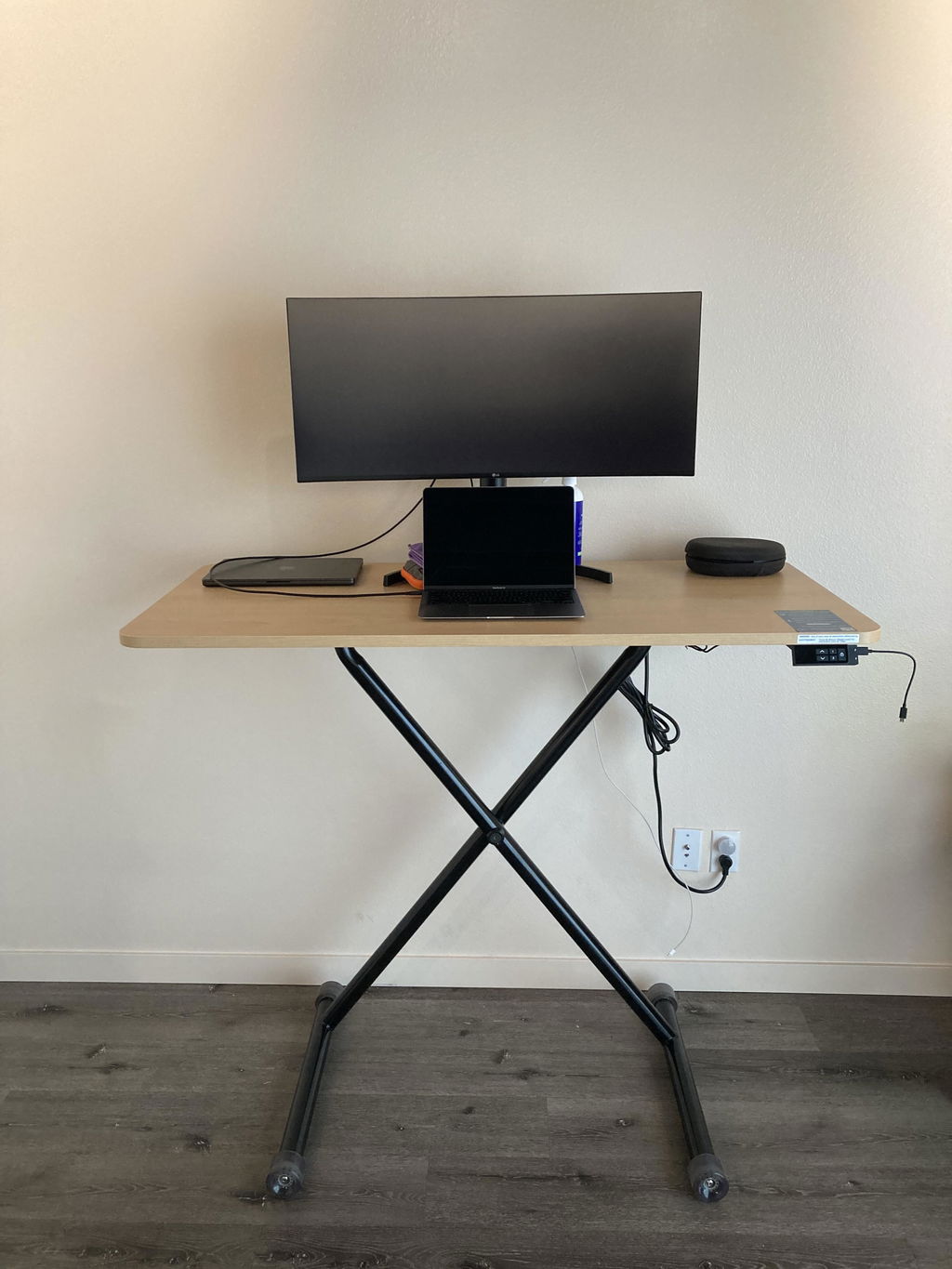
I work in IT and move cities frequently. I'm very minimalist and can generally fit all my possessions into an SUV. I had owned a couple other adjustable height desks over the years, but it was always a pain to disassemble/reassemble them for travel. The Lillipad completely mitigates that issue. I can have it ready for travel in a few minutes, and it takes up negligible space in the back of my car.
I recently managed to get it stuck at a low height and was worried something was broken. It was a Saturday morning, so when I text the support number I wasn't expecting to hear anything back until the following workweek. Within a couple minutes I received a phone call from Kyle, the founder/inventor of Lillipad. Within a few more minutes he had walked me through a factory reset to get my desk operating normally again. I was blown away by this level of prompt and hands-on customer service.
I was already a huge fan of the product, and now I'm a huge fan of the company.
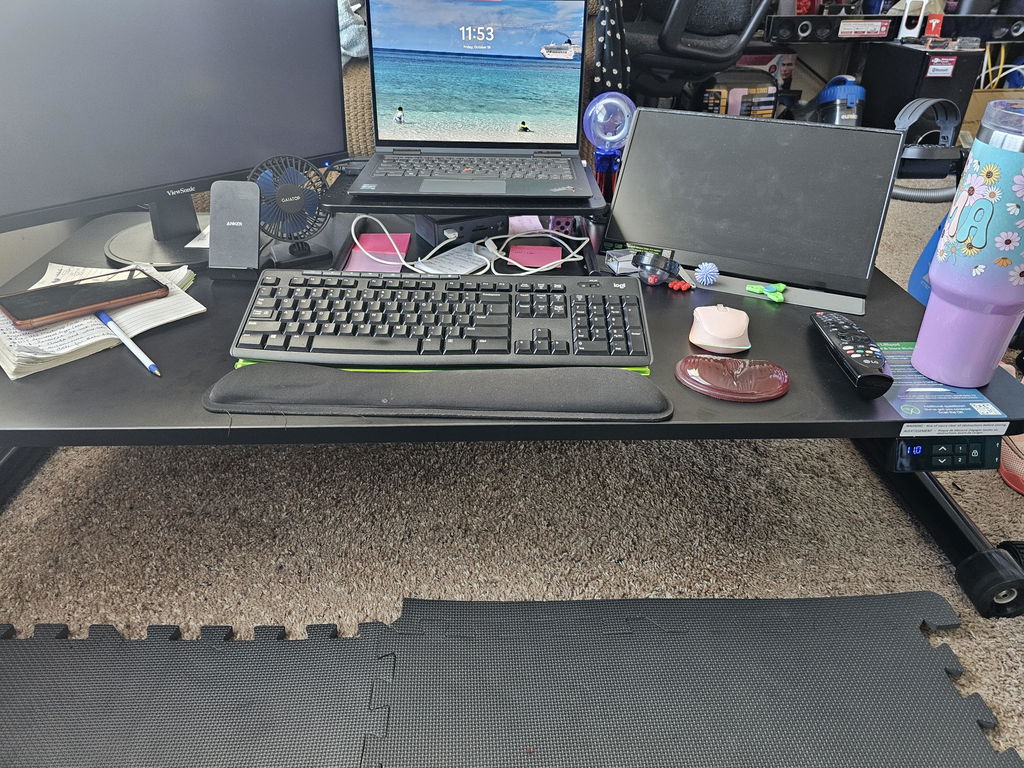
I did quite a bit of research before I settled on the Lillipad. I was looking for something that would give me the flexibility to sit on the floor as well as stand. I'm 5'2" so I needed something lower than the "standard" desk height. Although the desk is not supposed to be used below the safety height of 26.5 inches, I currently use it at 11 inches when sitting on the floor, 22.5 inches when sitting in the chair, and 37 inches when standing. The Lillipad moves smoothly between the up and down positions every time I need to adjust it. I would prefer if the presets allowed you to save heights lower than the safety stop, but that's not a huge deal because it's easy to stop at the height I want. I raise or lower my desk at least once a day and have not had any issues with it. I am extremely happy with my purchase - this is exactly what I was looking for!
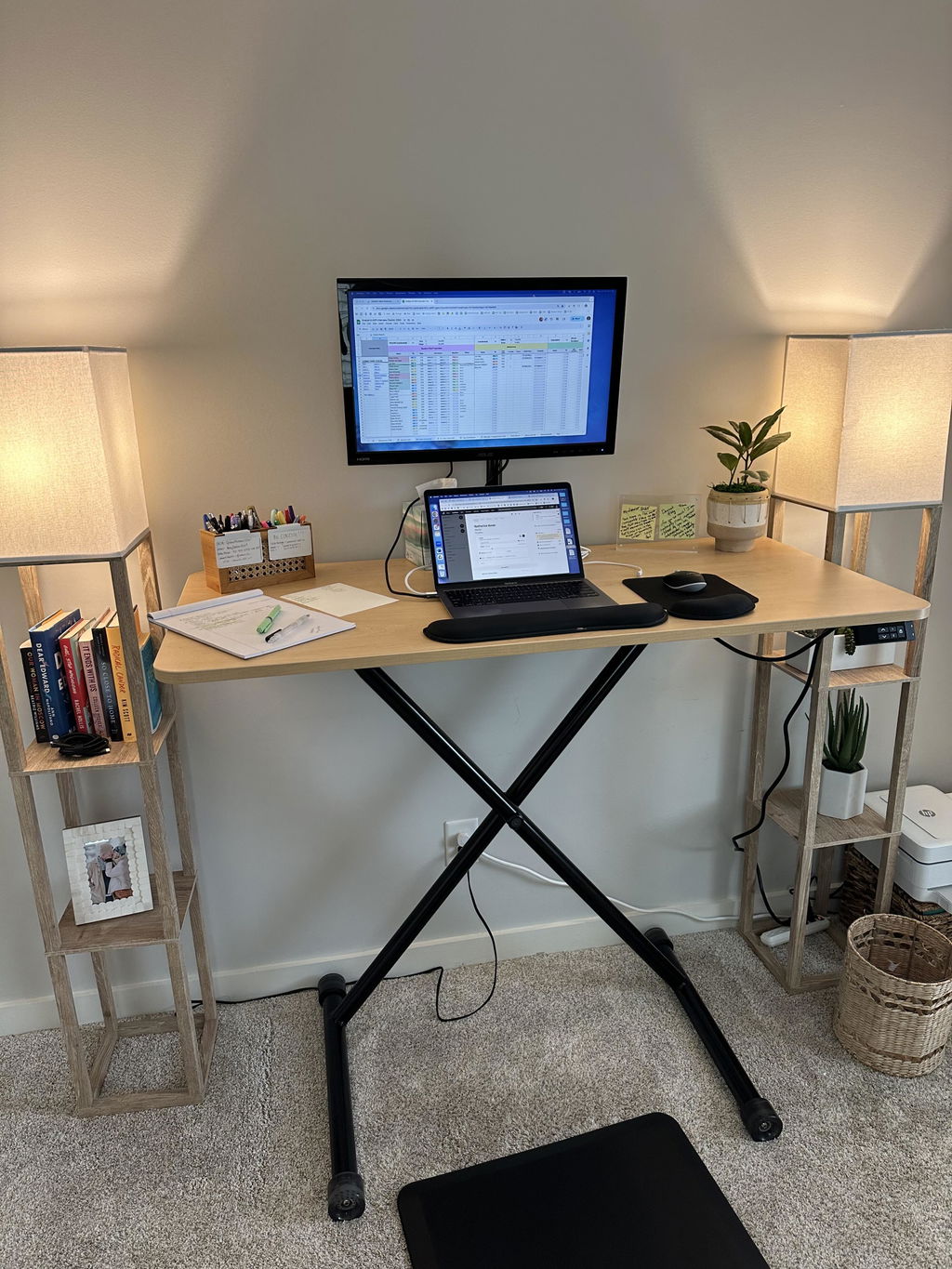
The Lillipad is the first standing desk I ever purchased, and it has exceeded all expectations! It is the perfect size in terms of length and depth, and the monitor attachment is so convenient. I need enough space to work off of my laptop while also having a monitor to refer to and the Lillipad meets those needs.
I also LOVE the extension cord attachment that is right under the desk. This helps keep my cords clean and away from my feet.
All in all, the desk is beautiful, easy to raise and lower, and exceeds all expectations. Highly recommend!
FAQ
Can Lillipad be a Floor Sitting Desk?
Yes! Lillipad has the widest height adjustment range of any electric desk—ever.
All Lillipads can lower down to just 6" for easy storage. Suggested working height ranges by model (including tabletop):
Standard: 13.5" – 42"
Large: 13.5" – 48"
What is your return policy?
We guarantee that you’ll love the Lillipad.
If you don’t for any reason, you can return it for a refund within 60 days of purchase.
We can offer such a bold guarantee—the longest and most supportive return policy in the industry—because we’re 100% confident in the quality of our desk.
We recognize that the Lillipad is an investment. And we’re certain it will be the best money you’ve ever spent on your home office—or your money back.
What if something breaks later on?
Our 5-year warranty covers the critical components on your Lillipad, including the motor, frame, electronics, sheet metal, and wheels. If a part breaks or stops working within that time frame, we’ll take care of it.
We’re fully committed to giving you an incredible experience with our desk. No matter what, we’ll be here to help if anything goes wrong.
How stable & sturdy is the Lillipad?
You'll be pleasantly surprised and impressed. Lillipad's operational load rating is 75 lbs because it is a portable desk, but it's built tougher than most permanent desks. Our desks are Intertek certified and conform to UL962 Standard for small office & home office furnishings, and certified to CSA STD C22.2#68.
Check out some certification performance metrics:
- Cycle Test: 3,000+ consecutive cycles @ 75 lb load
- Static load tested to hold 350 lbs
- Passed all stability, durability, and tip tests for certification
Whether on carpet or hard surfaces, our customers continue to be awed by our quality and stability.
Check out our reviews page to see what customers think about our sturdiness.
Will my legs interfere with the Lillipad crossbars?
Unless you're over 6'7", you will not need to worry about your legs touching the crossbars. During product design, we conducted numerous ergonomic tests to ensure maximum comfort for users of all heights. Whether seated with legs positioned at 90 degrees or fully extended, there is plenty of room for clearance without interference. Our Co-Founders stand tall at 6'4" and 6'6", so you can trust we've got the tall folks covered!
Can the wheels roll on carpet?
You bet! All 4 wheels enable for effortless transportation on any floor surface, even the thickest of carpets. It’s super easy to roll like a hand-truck or push like a shopping cart.
How long does assembly take?
Zero minutes. Lillipad ships in one box fully assembled. No tools are needed. It takes seconds to set up your Lillipad!
How long will it take to receive my desk?
In-Stock Workstations: Orders for available models typically ship within 1–2 business days.
Due to overwhelming demand, we've sold out of select Lillipad workstations once again! The good news? More are on the way!
Preorder Workstations: Select models and finishes are currently available for preorder, with an estimated shipping date of November 30, 2026. Preorders will be fulfilled on a first-come, first-served basis, so we encourage ordering early to secure your place in line.
You can find the most up-to-date shipping availability and estimated shipping date directly on each product page. Shipping estimates automatically update based on your selected model, size, and finish.
We sincerely appreciate your patience and continued support of Lillipad!
For shipping to Hawaii or Alaska, please contact us at team@lillipad.com